
Why You Should Never Tip in Japan?
The Tipping Trap: A Kindness That’s Actually Offensive
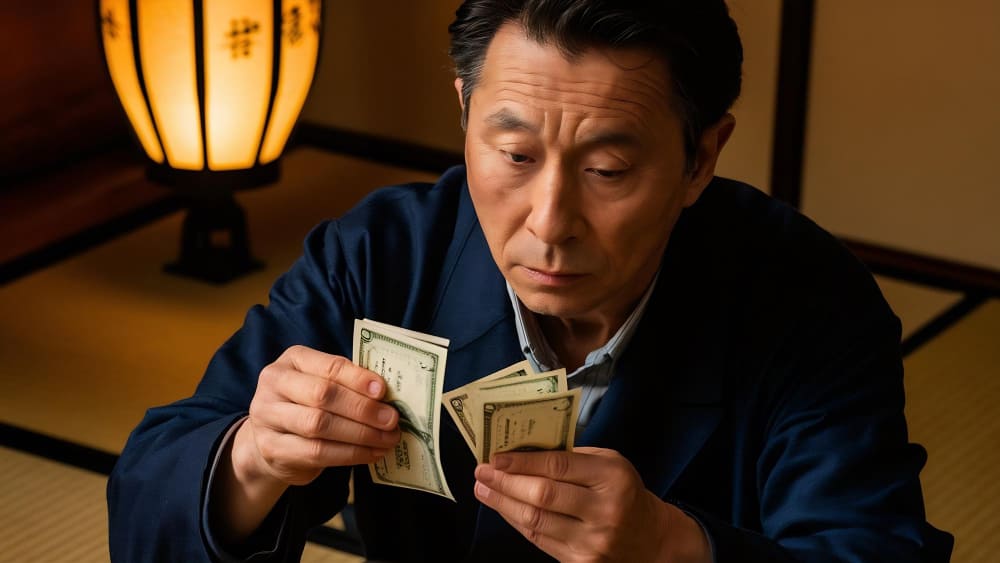
Let’s start with a big one. You finish a fantastic meal in a cozy Tokyo spot, the bill comes, and you drop a few extra hundred yen on the tray as a thank you. You feel good you’ve done a kind, generous traveler thing, right?
Wrong. In Japan, leaving a tip is often seen as confusing, and in many cases, it’s considered outright rude or insulting.
The Wisdom of No Tipping
In Japanese culture, excellent customer service isn’t an optional bonus; it’s the absolute standard. Service workers from your hotel concierge to the wait staff are paid a respectful wage for performing their duties to the highest possible level.
The Logic: Tipping suggests that the employee isn’t being compensated properly for their effort, or worse, that you view them as being in a subordinate position requiring charity.
The Reality Check: If you leave cash, a server will almost certainly chase you down, thinking you simply forgot your money. If you absolutely want to show appreciation, a small, thoughtful gift (omiyage), like a local treat from your home country, is the correct, respectful gesture.
4 More “Culture Secrets” Tourists Often Get Wrong
Tipping is just the beginning. The wisest travelers understand that small actions speak volumes. Here are four other subtle cultural differences that separate a thoughtful visitor from a clumsy tourist.
1. The Chopstick Minefield
Chopsticks are one of the fastest ways to signal that you don’t know the rules of the table.
- The Big No-No: Never, ever stick your chopsticks upright into a bowl of rice. This practice is strongly associated with rituals at a Buddhist funeral and is considered a huge sign of bad luck.
- The Transfer Fail: Do not pass food directly from your chopsticks to another person’s chopsticks. Again, this is a funeral rite and should be avoided. Use a shared serving dish or bowl instead.
- The Resting Place: When you’re done, lay them side-by-side across your bowl or on the provided chopstick rest (hashioki). Don’t leave them crossed like an ‘X’ (another sign of bad luck).
2. The Shoe Ceremony
The simple act of taking off your shoes is a cornerstone of Japanese etiquette—and it applies to far more places than you might think.
- Rule of Thumb: If there is a change in flooring (from concrete/tile to wood or tatami mats), or if you see a step up at the entrance, it’s a signal to remove your shoes. This is essential in temples, traditional ryokans (inns), some restaurants, and, of course, private homes.
- The Bathroom Slip-Up: When using a restroom at a traditional spot, you’ll often find special bathroom slippers placed just inside the door. You must take off your house slippers and wear the bathroom ones. And here’s the most common mistake: don’t forget to take the bathroom slippers off when you leave the room! Wearing them back into the main area is not good.
3. The Public Phone Call Blunder
We’re all glued to our smartphones, but in Japan, there are strict unspoken rules about when and where to talk.
- Transit Silence is Sacred: On trains and buses, phone conversations are considered disruptive and highly impolite. Locals keep their phones on silent mode and text exclusively. If you absolutely must take a call, wait until you are off the platform and outside the station.
- The Polite Pivot: If you need to check directions or an email on your device, it’s best to step aside and out of the flow of foot traffic. Conducting a loud, casual phone call in a crowded place like a bustling street or a waiting room is generally frowned upon.
4. The Hot Spring (Onsen) Taboo
Visiting a traditional onsen (hot spring) or sento (public bath) is one of the most relaxing experiences Japan offers, but it comes with a mandatory set of rules.
- Cleanliness is King: You must wash your entire body thoroughly with shampoo, soap, and rinse before you ever enter the main bathwater. The bath is for soaking and relaxing, not for cleaning yourself.
- The Nudity Rule: Most traditional onsen are strictly single-gender and require you to be completely naked. Wearing a swimsuit is considered unhygienic and is typically forbidden.
- Tattoo Trouble: While this rule is slowly changing, many smaller, traditional onsen still ban people with tattoos due to their historical association with the Yakuza (organized crime). If you have tattoos, research onsen that are explicitly tattoo-friendly beforehand, or be prepared to cover them completely with waterproof tape.
The Wanderwise Takeaway
The beauty of traveling to a place like Japan is that it forces you to pause, observe, and learn. The core philosophy here is respect for the rules, for the shared space, and for the tireless dedication that goes into their culture of service.
You don’t need to be perfect. You just need to be mindful. When in doubt, watch what the locals do, act with humility, and remember that sometimes, the kindest thing you can do is simply accept the excellent service with a sincere “Arigatou gozaimasu.”
Did you know about the bathroom slipper rule? Let us know which culture secret surprised you the most in the comments!