
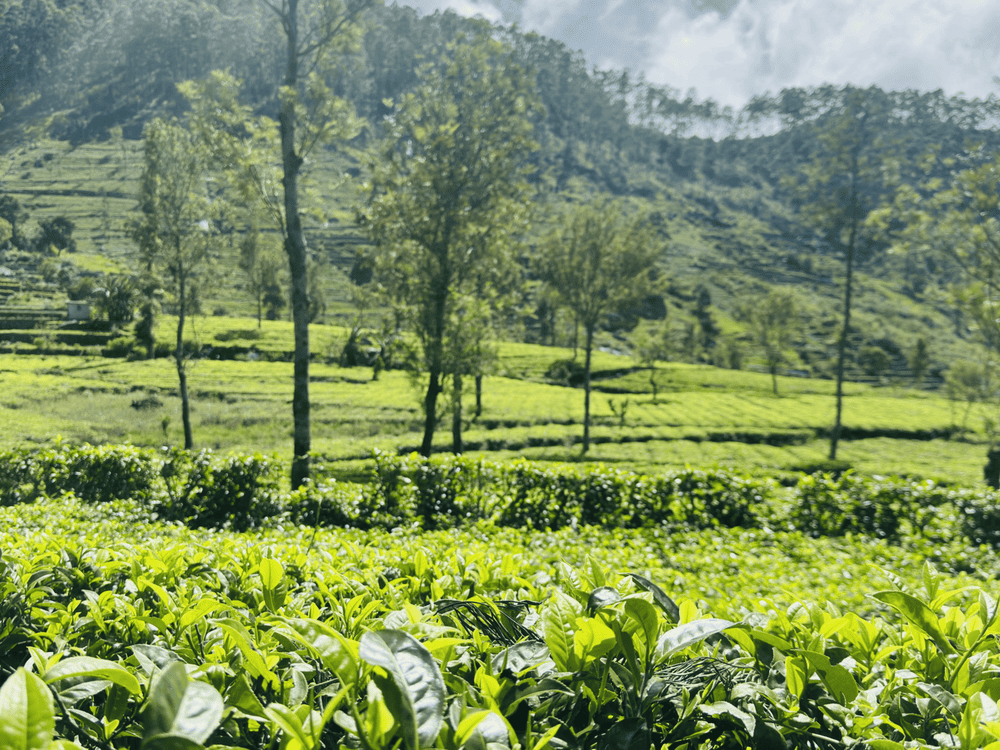
Stepping into the Green Heart: The Ultimate Guide to Sri Lanka’s Pekoe Trail
Imagine tracing the contours of the Earth through endless fields of emerald green, where the only sounds are the rustle of tea leaves and the whispers of history. This is the Pekoe Trail, Sri Lanka’s first long-distance hiking route, a masterpiece of sustainable tourism that winds for over 300 kilometres through the island’s mountainous heart.
This isn’t a simple tourist attraction; it’s a meticulously crafted experience designed by the non-profit Pekoe Trail Organisation (TPTO) to offer an authentic, deep dive into the culture, history, and breathtaking natural beauty of the Central Highlands. It’s a journey of 22 distinct stages, each promising not just a walk, but a passage through a living, breathing landscape that defines the essence of Ceylon tea.
The Origin Story

The term “Pekoe” refers to a grade of black tea, a subtle nod to the trail’s very foundation. The Pekoe Trail is more than just a path; it is the culmination of centuries of movement—the routes used by planters, estate workers, and colonial-era logistics. The project, initiated with support from the European Union and USAID, was created to transform these historic arteries into a world-class trekking destination, ensuring that the economic benefits flow directly to the rural communities along the way.
As you walk, you are supporting a vision of sustainable tourism, focused on heritage preservation, environmental stewardship, and community empowerment. This commitment is what sets the Pekoe Trail apart: every step you take is an ethical investment in the future of the hill country and its people.
A Walk Through a Living Museum

The trail offers a direct, tangible connection to the story of Ceylon tea, a commodity that changed Sri Lanka forever. Your journey begins near Kandy at the Ceylon Tea Museum and ventures into the historical heartland where the industry was born.
The most poignant historical stage is arguably Stage 2: Galaha to Loolkandura. Here, you walk directly into the legacy of James Taylor, the Scottish planter credited with establishing the first successful tea plantation in 1867. You can stand on the very ground of Field No. 7, his original experimental patch, and see the ruins of his rudimentary cottage. It’s a humbling moment to realize you are traversing the same rugged terrain that Taylor and his early workers navigated to establish a multi-billion dollar industry.
Throughout the route, you’ll encounter reminders of the colonial past: grand, white-washed planters’ bungalows perched atop misty hills, old tea factories with their rhythmic machinery, and meticulously maintained estate roads. It’s a landscape engineered by history, now softened and reclaimed by the lush mountain air.
The Human Connection: Interacting with the Guardians of Green

The true soul of the Pekoe Trail is the people who call the tea estates home. The trail is your pathway into the daily lives of the tea pluckers, many of whom are descendants of the Indian Tamil community brought over during the colonial era.
-
The Sight and Sound: You’ll see them, a vibrant splash of colour against the dense green, their hands moving with incredible speed and precision to select the precious ‘two leaves and a bud.’ A simple nod or a respectful greeting like “Vanakkam” (in Tamil) will often be met with a shy, genuine smile.
-
Village Life: The trail weaves through the line houses—the colourful, close-knit villages built for the estate workers. This is where you experience genuine serendipity: a shared cup of plain tea at a tiny roadside kiosk, the aroma of spicy cooking wafting from a small home, or the playful calls of children. Purchasing a local snack, a piece of fruit, or a packet of biscuits supports these small enterprises directly.
This is not a manufactured experience; it’s a privileged glimpse into a strong, resilient community that sustains the very landscape you have come to admire.
The 22 Stages: Your Detailed Journey Map

The Pekoe Trail’s genius lies in its 22 segmented stages, allowing for total customization. Whether you have two days or two weeks, you can choose a section that matches your interest and fitness level. Each stage is a self-contained day hike, carefully mapped with a difficulty rating, distance, and estimated time.
The 22 stages are logically grouped into five geographical regions:
1. The Kandy Area (Stages 1–5)
| Stage | Route | Distance (approx.) | Duration | Difficulty |
| Stage 1 | Hanthana to Galaha | 12.8 km | 4 hours | Easy |
| Stage 2 | Galaha to Loolkandura | 14.7 km | 5 hours | Difficult |
| Stage 3 | Loolkandura to Tawalantenne | 18.1 km | 6 hours | Difficult |
Spotlight: Stage 1 is the perfect start, beginning at the Ceylon Tea Museum and offering stunning panoramic views of the Knuckles Mountain Range and the Victoria Reservoir from its highest point (1,008m). Stage 2 is the vital historical section, home to James Taylor’s pioneering tea field.
2. The Hatton Area (Stages 6–10)
This region is the heart of the deepest tea valleys, characterized by misty mornings and towering tea bushes.
| Stage | Route | Distance (approx.) | Duration | Difficulty |
| Stage 6 | Watagoda to Kotagala | 15.0 km | 4.5 hours | Easy |
| Stage 8 | Norwood to Bogawantalawa | 15.9 km | 4.5 hours | Moderate |
| Stage 10 | Dayagama to Horton Plains | 15.9 km | 5 hours | Difficult |
Spotlight: Stages here lead you toward the Bogawantalawa Valley, often called the “Golden Valley of Tea.” Stage 10 approaches the spectacular, high-altitude ecosystem of Horton Plains National Park (note: this stage often has special trail hours due to proximity to protected areas).
3. The Haputale Area (Stages 11–14)
Here, the trail climbs toward the iconic southern mountain ridges, offering endless views.
| Stage | Route | Distance (approx.) | Duration | Difficulty |
| Stage 12 | Udaweriya to Haputale | 19.7 km | 6 hours | Difficult |
| Stage 13 | Haputale to St. Catherine’s | 14.6 km | 4 hours | Hard |
Spotlight: The Haputale region is famous for the highest-grown teas and often features stunning vistas from landmarks like Lipton’s Seat (accessible nearby). The stages here often include significant elevation changes, resulting in higher difficulty ratings.
4. The Ella Area (Stages 15–18)
This is the most famous tourist region, and the trail here is packed with iconic sights.
| Stage | Route | Distance (approx.) | Duration | Difficulty |
| Stage 15 | Makulella to Ella | 9.6 km | 3 hours | Moderate |
| Stage 16 | Ella to Demodara | 9.5 km | 3 hours | Easy |
Spotlight: Stage 16 is extremely popular, as it brings you face-to-face with the magnificent Nine Arch Bridge and the famous Demodara loop railway line. These shorter, highly scenic stages are perfect for day-trippers.
5. The Nuwara Eliya Area (Stages 19–22)
The final stages lead you into the highest altitudes of the trail, around the town known as “Little England.”
| Stage | Route | Distance (approx.) | Duration | Difficulty |
| Stage 20 | Loonuwatte to Udapussellawa | 13.6 km | 4.5 hours | Moderate |
| Stage 22 | Kandapola to Pedro | 11.3 km | 4.5 hours | Moderate |
Spotlight: Stage 22 ends the full traverse near the Pedro Estate and the town of Nuwara Eliya. This area is noticeably cooler and mistier, featuring eucalyptus forests and distinct rolling hills, making for a grand finale to the entire journey.
Essential Human Advice for the Trail

To ensure your Pekoe Trail experience is truly unforgettable, keep these human-centric details in mind:
The Best Time to Go
While the trail is open year-round, the prime hiking window is generally January to March. During this period, the central highlands experience the driest and coolest weather, providing optimal visibility for those incredible panoramic views and firm, easily navigable paths.
-
A Word of Caution: If you trek during the monsoon periods (May-September and October-December), be prepared for rain, persistent mist (which obscures views), and the increased presence of leeches, particularly in forested areas.
Packing for the Climate
-
Layer Up: The temperature can swing wildly. Pack light, quick-drying layers, including a fleece or sweater for mornings and evenings, and a high-quality, lightweight rain jacket.
-
Leech Defence: If hiking in a wetter season, investing in a pair of inexpensive leech socks (available widely in Sri Lanka) is highly recommended. Salt, lime, or muscle spray can also help remove any unwelcome hitchhikers.
-
Footwear: Sturdy, broken-in hiking shoes or boots are essential, as the terrain varies from concrete paths and wide estate roads to rocky tracks and grassy, slippery sections.
Navigation and Access
The Pekoe Trail is well-waymarked, but technology is your best friend. Download the detailed GPX files and maps from the Official Pekoe Trail website to a reliable hiking app before you lose reception. While trail passes and permits are sometimes required for specific stages (especially those crossing protected land), the online resources are comprehensive and up-to-date.
Lace up your boots, download your map, and get ready to discover the magic that lies between the mountains, the mist, and the most flavourful cup of tea you will ever drink. The Pekoe Trail is waiting to write your next great adventure.